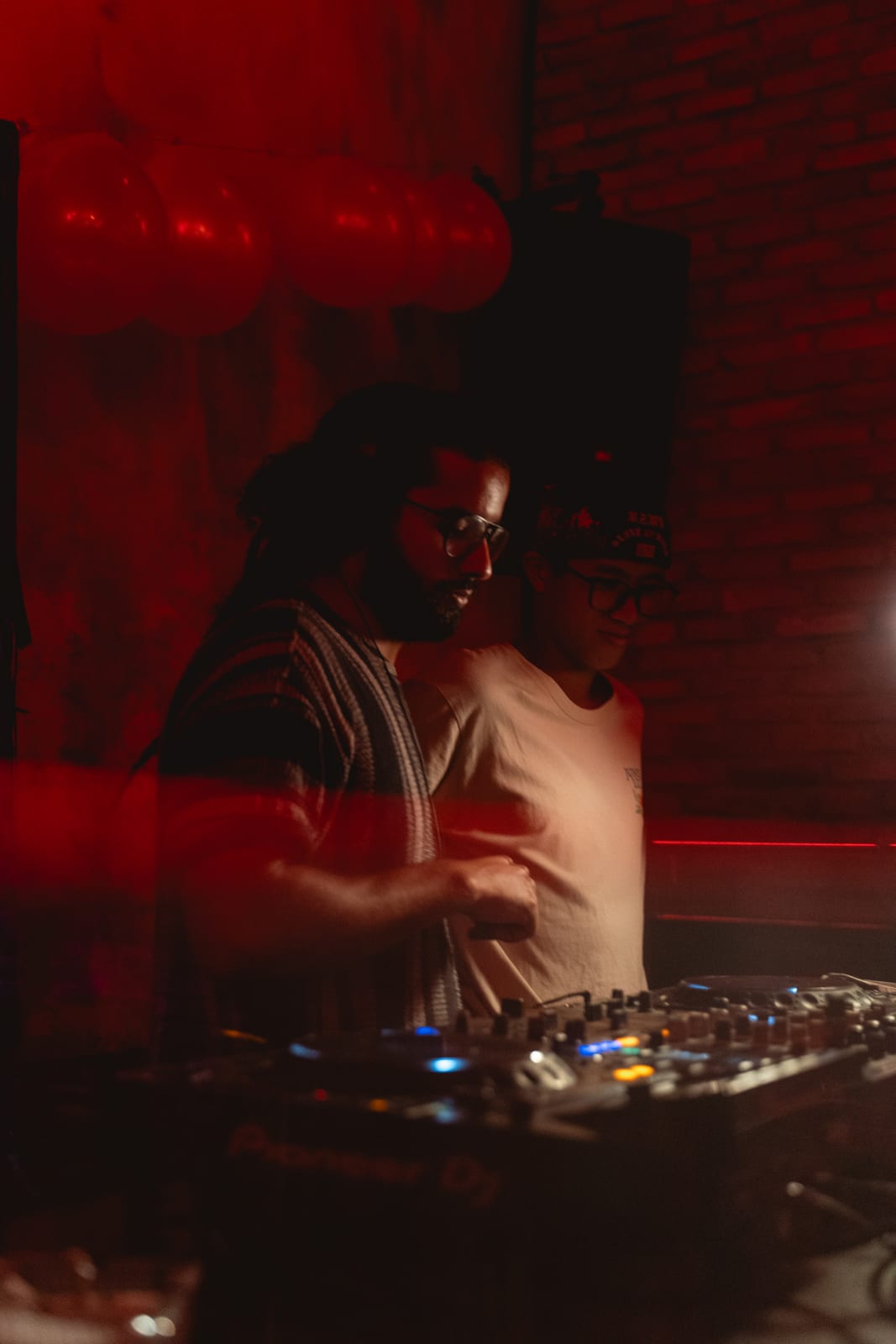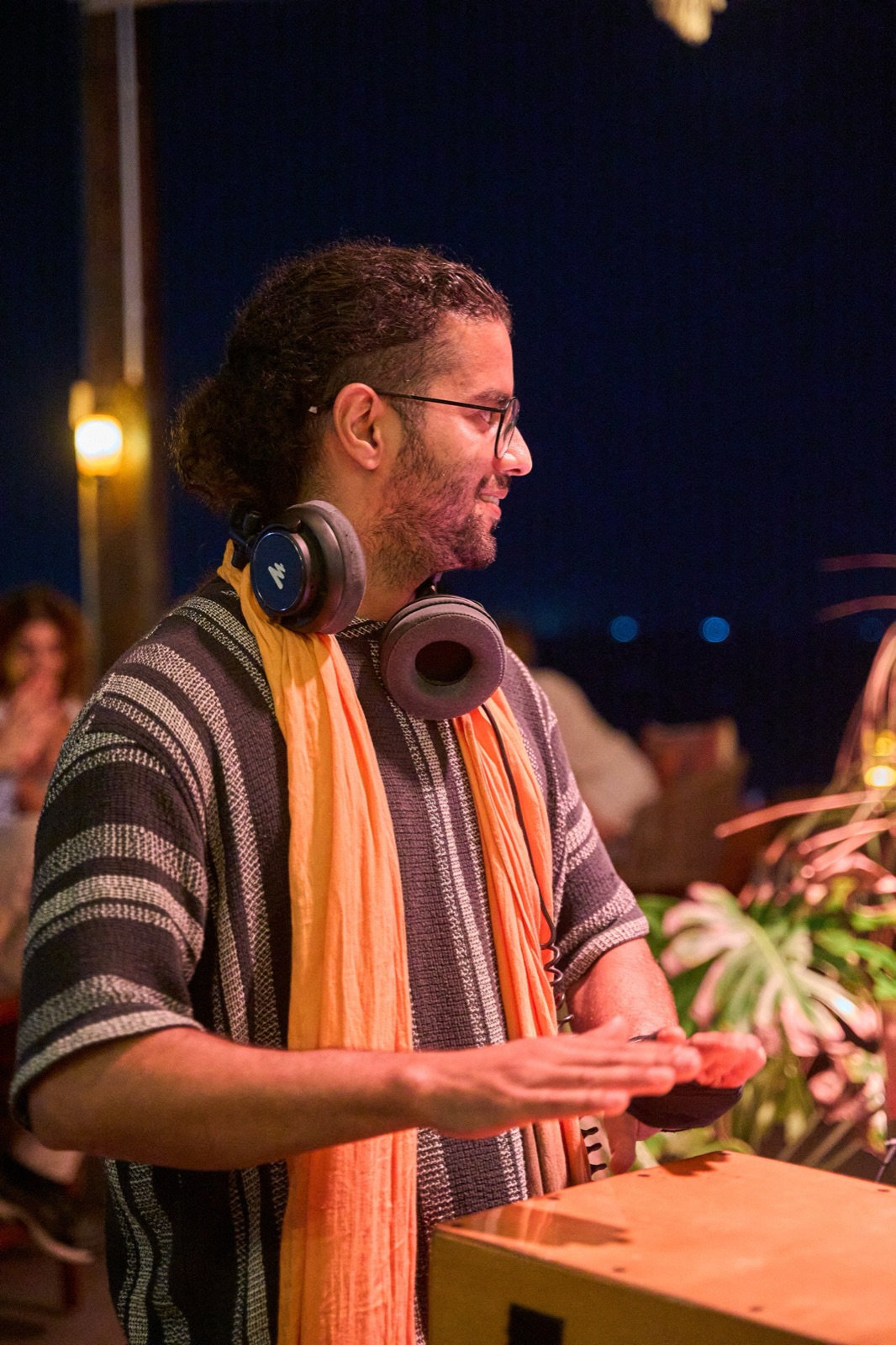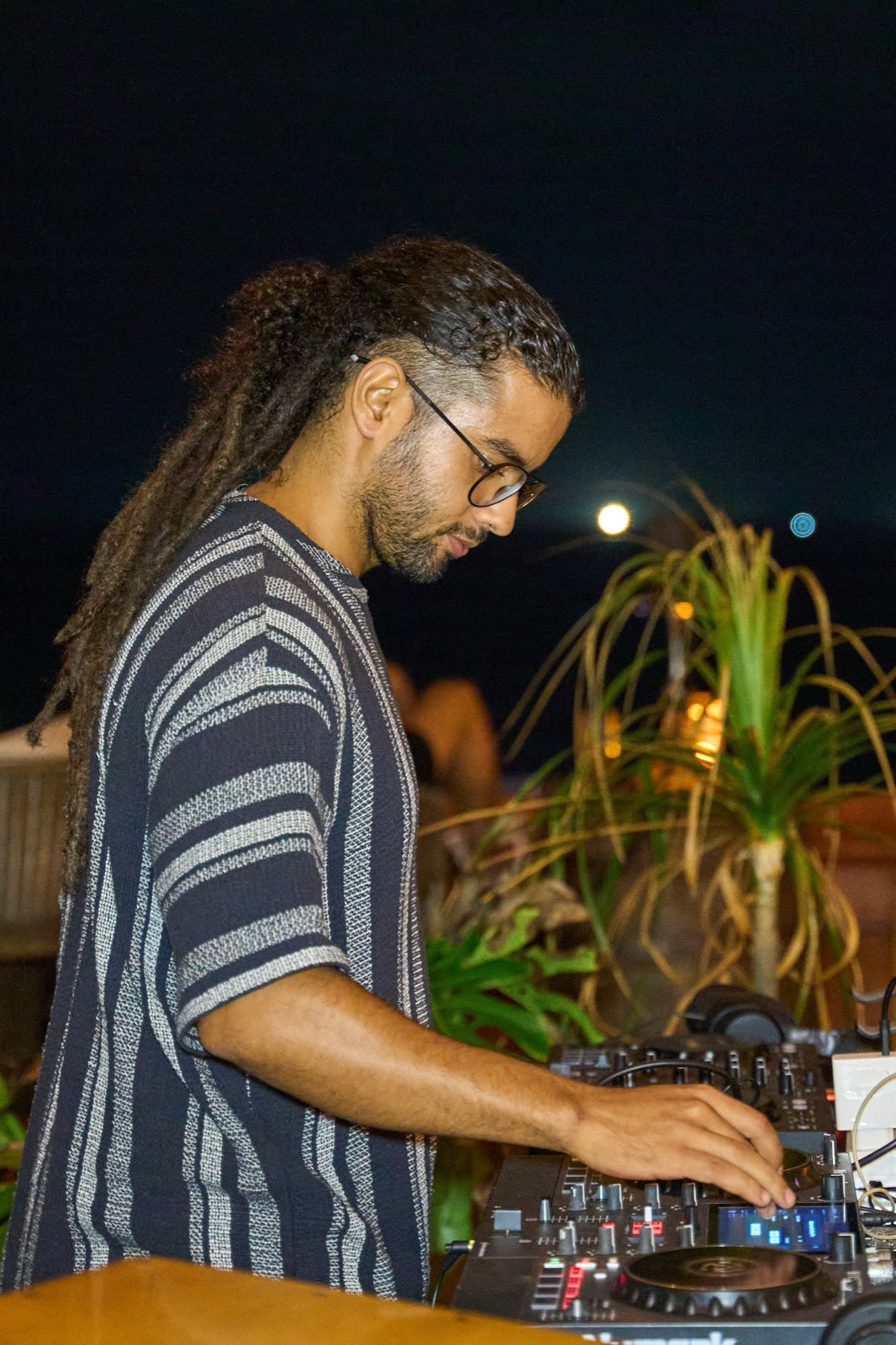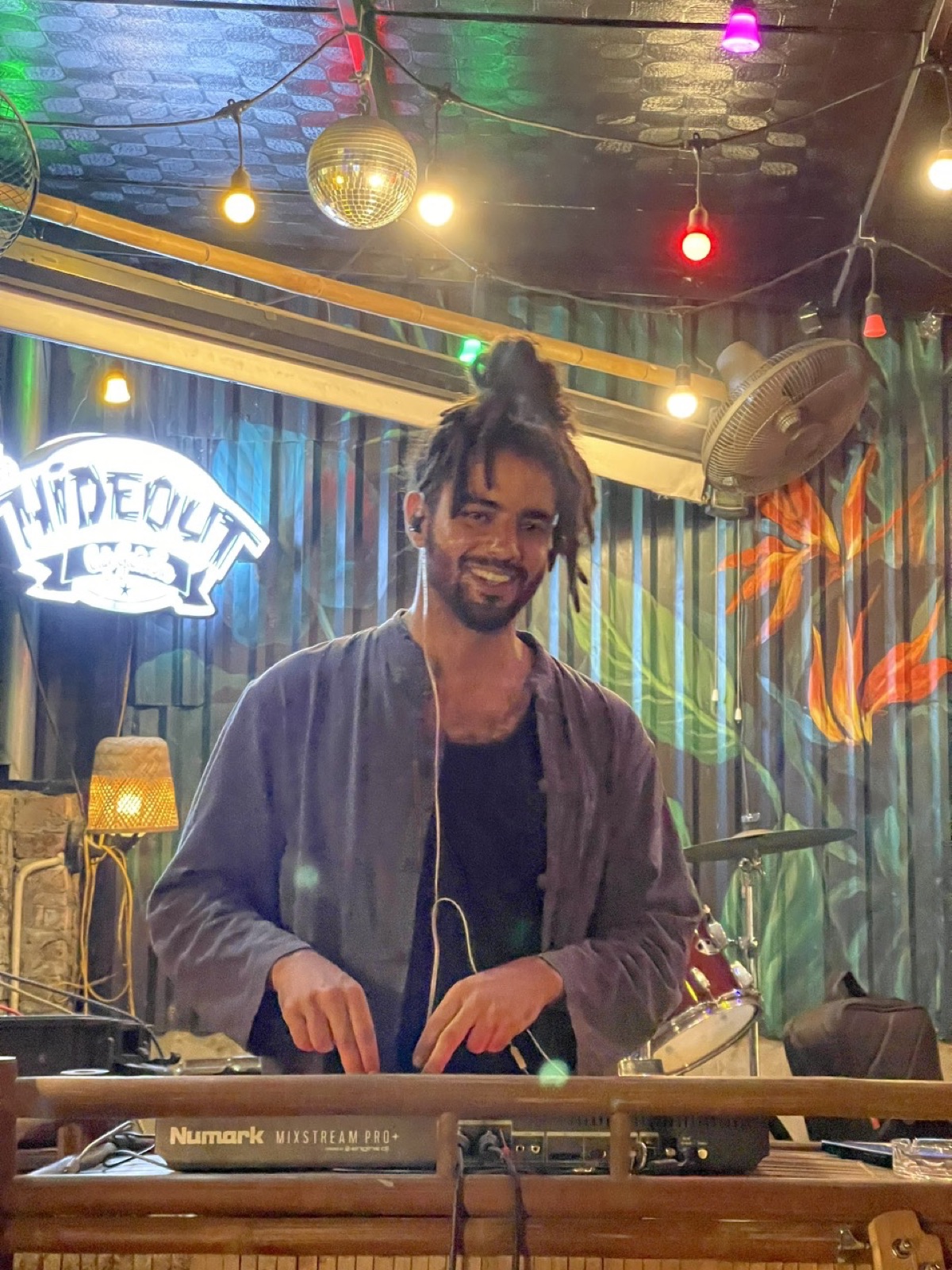
The story
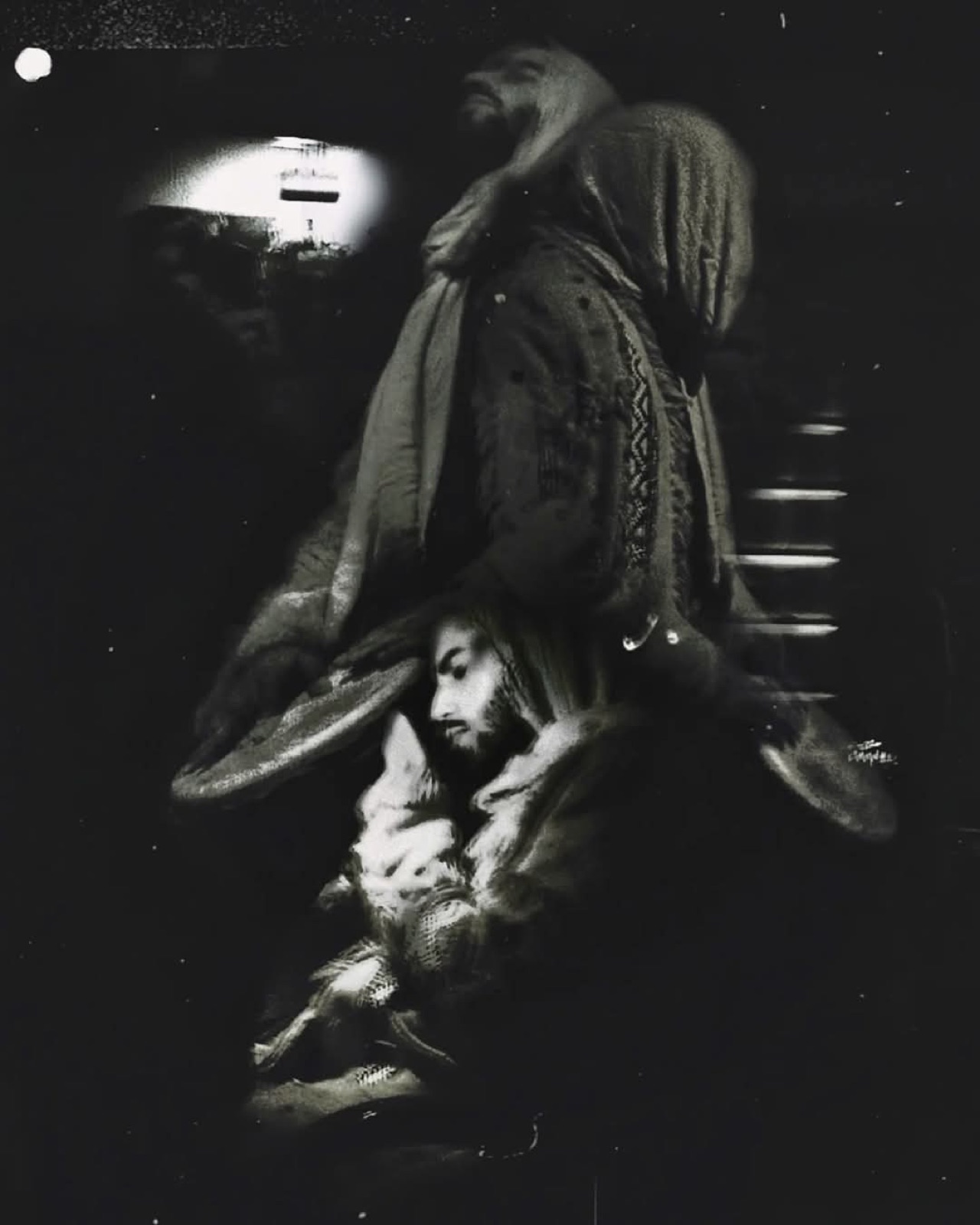
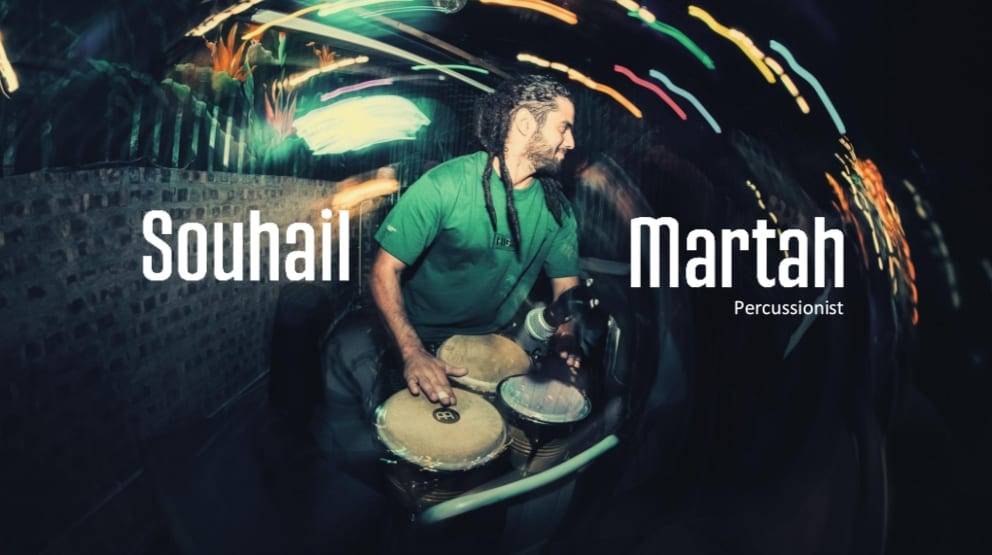
A percussionist from Marrakesh who taught English by day and drummed by night, first in Hà Nội and then in Hội An. World, fusion and Moroccan traditional, now heading home to chase music full-time. "If you focus on quality, the rest follows."
The interview
Souhail Martah is a percussionist from Marrakesh, Morocco, raised in a culture where rhythm is everywhere and nobody needs to be taught to hold a tempo. He came to Vietnam as an English teacher, spent three years in Hà Nội, then landed in Hội An. Now he is heading home to give himself to music completely, and he has some parting thoughts on what quality really means.
Tell us, who are you?
Souhail Martah. I'm 30 years old, from Marrakesh, Morocco. I'm a musician, I play percussion. I grew up in Morocco, that's mainly why I'm a percussionist. I grew up in a culture full of percussion and rhythms.
I also studied English at university, which is how I became an English teacher, and that's how I travelled from Morocco to Vietnam, finding work and still being able to do music.
Why Hội An?
I didn't actually pick Hội An, or even Vietnam. It was a pretty random choice. I didn't know much about Vietnam before I came.
My first time travelling abroad was to China, also for teaching, that was the best opportunity at the time for non-native English speakers. I went, spent three months there, then COVID happened and I went back to Morocco. When things opened up again, I decided to travel once more, but I didn't want to go back to China.
So I chose Vietnam instead, applied for an online job, and came here. Lived in Hà Nội first for three years, then moved here a few months ago.
You mentioned percussion is in the culture in Morocco, was it in your family too, or where did that pull come from?
It's in the culture generally. Nobody in my family is a musician, but everyone can hold a tempo. I remember sitting with my mom once, with my nephew who was a baby at the time, she was singing to him, and while singing, she was clapping, playing percussion without even thinking about it. That's when it clicked for me.
As a kid I'd go with her to family weddings and celebrations, and it was always the women playing percussion instruments and singing. Then on the wedding day itself you'd have bands doing folklore or classical music, and it's all built on a strong percussion foundation.
In the neighbourhood too, there'd be religious occasions where every kid would buy an instrument, and we'd just gather and play. It's everywhere in the culture.
"It's strong in the culture. It's everywhere."
You mentioned women specifically. I notice here at the open mics and jams, very few women show up, especially for percussion. Do you get the same impression?
Here, yes, I've noticed it. But where I'm from, women playing percussion is completely normal, for percussion generally, across Africa, everyone plays.
In Morocco, because of religious and cultural tradition, men and women were historically kept separate unless they were close family, so at a wedding, the men do their music and the women do theirs separately. That actually gave birth to distinct genres. In Marrakesh, for example, we have two genres using the same instruments but sounding completely different, one specific to women, one to men.
You've never done a Moroccan night or jam here?
I did, actually, though not in Hội An. I had a Moroccan band in Hà Nội, with some Moroccan musicians plus two Vietnamese players and one Australian. We played Gnawa music, a genre from Morocco, originally from West Africa. We did some really good shows, people loved it. I also organised a night with traditional Moroccan food alongside the music, that was successful too, really fun.
In Hội An, no, I couldn't find other musicians to start something like that. But I did do something with Tetra UQ, Nico's band, with Daniel, Anna, Aghi, and Sabine. We played four songs, three Moroccan, one Algerian.
You ran the drum circle here for a while too, how was that?
I only did it for about a month, but we had some really fun sessions, people genuinely enjoyed it. I tried to combine a drum circle with a bit of instruction and teaching about percussion.
Normally with a drum circle you have a director, and everyone plays, you don't teach, you just conduct: stop, raise it, go fast, go slow. But with this one, since most people had never played percussion before, I gave a bit of guidance too, though while playing, not through theory. That's how I learned myself, I never studied music formally, I learned by playing.
What's the most important thing to teach a complete beginner?
The most basic thing, tempo. Is it fast, is it slow? That's where you start. You need that sense of tempo before anything else, without it, you can't play rhythms at all. Once you have that, you start learning the different sounds the instrument can make.
How you touch the instrument matters a lot too. You can't just hit it, it's not about hitting hard to get a sound, even though that's a really common misconception about percussion. It should be technical. If you put in a lot of physical effort, you'll get tired, your muscles tire, and then you lose the tempo. So it has to be played in a relaxed way. Basically: stay relaxed, hold the tempo.
What would you say to someone who has just arrived here and wants to get into playing, percussion or anything else?
Find people to play with, on a different instrument, like bass. It really helps to have someone on lead guitar, or someone singing. It's hard to just sit alone and learn.
For me, it's about playing with people, and also listening, even when you're alone, listen to music from all over the world. It goes into your brain subconsciously without you even realising. You can practice alone, but I mostly prefer playing with people, that's how I actually practice. I'll only do something alone if it's completely new to me and I can't yet do it with others. I'll listen to it, try it alone for a bit, not too long, until I'm at the point where I'm like, okay, I know it now, even if I'm not perfect. Then I go play it with people.
Playing alone has never made sense to me. Music started with people, for people, people who'd had hard days, who'd spent long hours hunting or farming, and needed time to release that stress together. Even if you're not playing an instrument, you're singing; even if you're not singing, you're dancing. It's a group thing, music started from a group, not from one guy playing while everyone else watches.
"There is no reason why you would play music alone. It started with people, for people."
How have you found the Hội An music scene, especially for percussion? I know even finding a full drum kit in this town isn't easy.
Overall it's been a good experience, because of the potential, the great musicians living around here. But the scene itself isn't great, and I think it's because Vietnamese culture has, in some way, lost its relationship with music. Maybe because of the wars, and so many outside cultures trying to suppress Vietnamese culture through colonisation, plus a lot of foreign influence since.
I don't mean Vietnamese culture has no music, there's a lot happening. But you don't really see it. If you want to hear genuinely traditional Vietnamese music, you go to a funeral. At a wedding now, you mostly just hear Vinahouse, old Vietnamese classical music mixed with house. There's nothing wrong with fusion, I love it, whatever the genre, but what you're hearing isn't really fusion. It's electronic music with Vietnamese singing and language, but where are the other instruments? There are so many traditional Vietnamese instruments, including a lot of percussion, but you don't see it anymore.
That disconnect carries into the business side too. Bar owners, hotel owners, they don't see what music can actually do for a place. I think that connection is lost. Business owners aren't thinking about quality first, when actually, if you focus on quality, the rest follows. Maybe not today, maybe not next week, but people will hear about you eventually.
"If you focus on quality, the rest follows. Maybe not today, maybe not next week, but people will hear about you eventually."
A great example of doing it right: Soul Kitchen. They invest properly in music and musicians, great sound system, everything organised, even the cables on stage. They have a dedicated sound engineer there to help musicians get the right sound. Beyond that, you feel genuinely welcomed, they offer drinks, food, check if you're comfortable, if the sound's right. And because you feel welcomed, you play better, people enjoy the music more, and it becomes a success for the business too. People don't just have one drink and leave, they stay till the end.
It's great to play here overall, there are other good places too. Chầm Chậm, now called Hualá, is also a great venue. I used to come play there even when I lived in Hà Nội, one of the best shows I had in Vietnam.
I don't know exactly what the solution is, but somehow reconnecting people to music, and helping business owners understand that investing in quality music is a genuine win for them.
Is it mainly on business owners to take responsibility for building quality music events? Anything else the scene needs?
Just focus on quality. As a business owner, put in the effort, search properly, don't be cheap. If you've heard a musician, band, or DJ is good, and they ask for one mic, two cables, two speakers, go and invest in that. You already know they're quality, so give it a real chance, make them feel welcomed. When the artist feels welcomed, your customers will be happy automatically, because the music welcomes the people in too.
Don't treat music or entertainment as an afterthought. People open a bar, make it beautiful, invest in great food and drinks, and then there's no proper sound system, or a very cheap one, and nobody there to run it, so the artist has to set up and mix their own sound. You can start like that, but at least appreciate that sound quality isn't a joke. Even legendary musicians will sound bad through a bad system, that's just how it works. If you have a big space or a small one, you can always do it acoustic if a proper system isn't possible. It's all about quality.
There's just no appreciation of quality here generally. Soul Kitchen is a good example of the alternative, it was literally built from music, built by musicians, originally just drinks and no food. That eventually led to the food side becoming amazing too.
In Morocco, if you want to open a bar or a pub, having a stage and a sound system is basically part of the business plan from day one, because otherwise nobody comes. We don't really have a drinking culture there, so people go out specifically to party, dance, sing. If you don't offer music, or your sound system is bad, people just go to a different bar instead, unless you've built a different kind of concept entirely, like special food or drinks that isn't about music at all.
You're heading back to Morocco soon, talk about why, and what you're looking forward to.
I decided to quit teaching English. For me, it was a way to make things work, but I don't see myself giving more energy and time to that instead of music, so I'm going to go directly into doing music full time. The teaching helped, I learned from it, but I don't want to keep doing it.
Giving everything to music here just isn't really possible, because you can't really be a resident musician somewhere. It's seasonal, you can play in summer or spring, but then there's the wet season, the rainy season, about four months long, with basically no music happening. Last rainy season, I played one gig. That's it. I was still teaching at the time, so I had something to hold onto, that's part of why I'm going back. I can't give everything to music here, but I definitely can in Morocco, like I was before, I didn't teach at all there, I was a full musician.
Why don't venues run gigs during the rainy season, not enough people, or just logistics?
I think it's that people don't want to keep things going through a quiet period. If you have a bar and decide to host a resident band, say five nights a week, you have to keep doing it even on nights when nobody comes, and do it with quality. Because if you don't have tourists, you have expats; if you don't have expats, maybe locals, though locals here are quite detached from music generally. If you want locals, you'd probably need Vinahouse rather than something more traditional. There was a traditional Vietnamese band playing the other day, and you just don't see many locals turning up, maybe it's the price point, I'm not sure.
For the wet season, I think people are still willing to go out, even in the rain, if you provide quality consistently. But if you don't show up with quality, people stop trusting you, and then they won't come out in bad weather either. I had an example of this with the Moroccan band in Hà Nội, the night of the concert, it was raining heavily, and Philip, the bar owner at Hideout, came up to me and said, "man, it's raining, nobody's going to show up." I told him, everybody's going to be here. And it was, a hundred people in the yard, despite the rain. Because people knew there'd be quality music. They partied, they danced. Hideout always makes sure they book quality musicians, if there's an event there, you know there's going to be good music.
"I told him, everybody's going to be here. And it was, a hundred people in the yard, despite the rain."
In a sentence, what's the difference between the Hà Nội and Hội An music scenes?
In Hà Nội, it's more original, people create more of their own work. Here, it's more geared toward tourists, more familiar material. Which isn't necessarily bad, you can still be creative with someone else's work, put your own touch on it. I don't have a problem with covers or originals, as long as you bring something of yourself to it.
Anything left unsaid you want to add?
I think I've said what I needed to say.
Thank you for this opportunity, it's amazing. We just want things to keep getting better and better. This is an amazing place, Vietnamese people are amazing, we just want it to improve, and this kind of thing helps a lot.
If it gets better, can we expect you back?
Of course, I'll be here. That'll be the moment we know we've made it.